
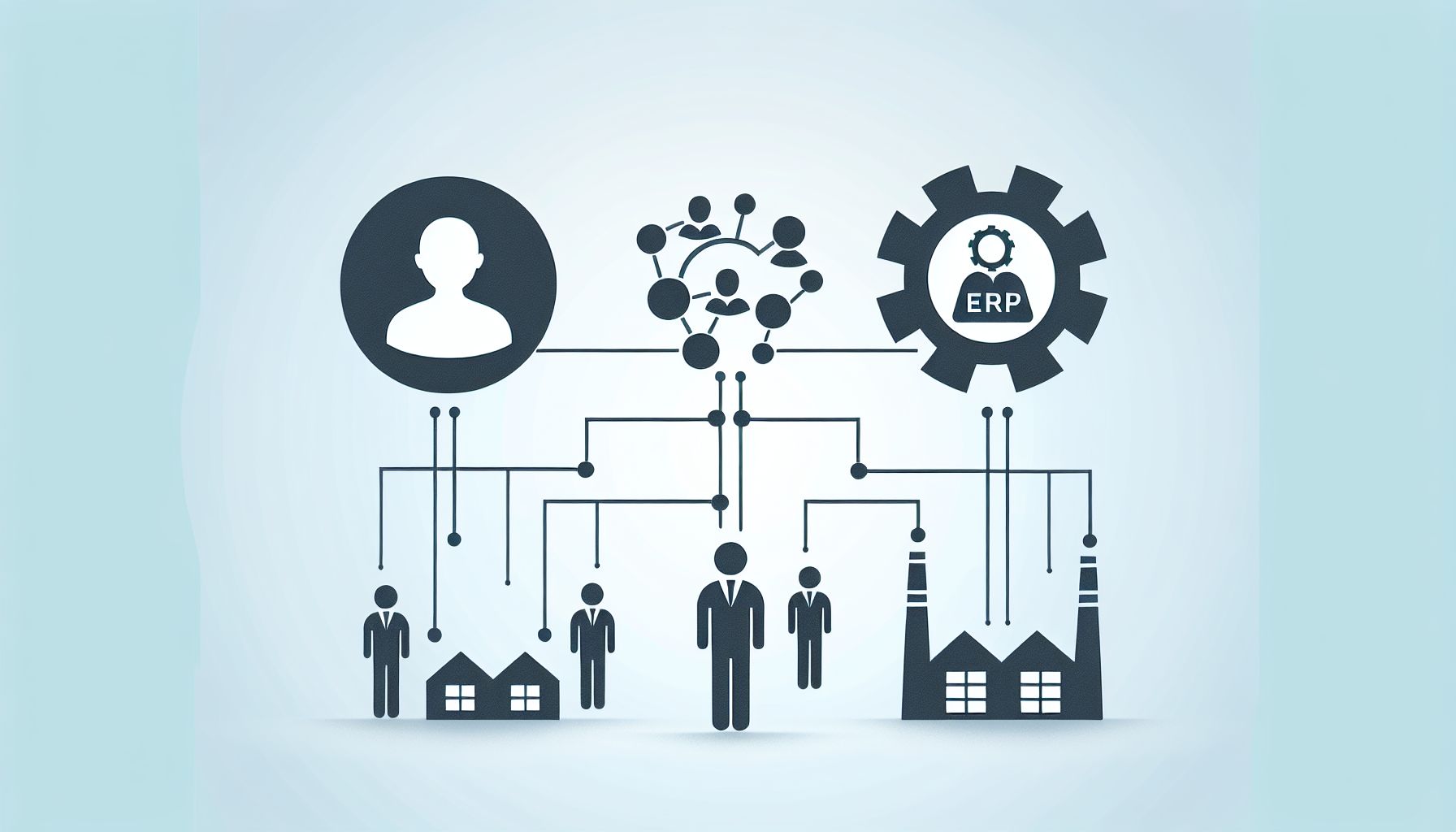
Introduction to CRM and ERP Systems
In today’s fast-paced business environment, staying competitive requires tools that not only keep operations running smoothly but also enhance customer experiences. Customer Relationship Management (CRM) and Enterprise Resource Planning (ERP) systems are two essential components of modern business operations. At WebConcepts, we understand the complexities businesses face, and this article will illuminate how CRM and ERP systems play a crucial role in meeting those challenges.
What Is Customer Relationship Management (CRM)?
Customer Relationship Management (CRM) involves strategies and technologies that companies use to manage and analyze customer interactions and data throughout the customer lifecycle. The ultimate goal of CRM is to improve relationships with customers, assist in customer retention, and drive sales growth. By gathering customer data across different points of interaction, businesses can gain valuable insights, enhance communication, and deliver more personalized experiences.
Imagine running a gym like “Jump Fitness.” A good CRM system could track members’ attendance patterns, preferred classes, and even alert trainers about significant events, like a member’s anniversary with the gym. This allows for a level of personalized service that keeps customers engaged and more likely to recommend your services.
What Is Enterprise Resource Planning (ERP)?
Enterprise Resource Planning (ERP) systems are essential for managing and integrating critical processes of a business onto a single platform. This typically includes areas like finance, supply chain, operations, reporting, manufacturing, and human resource activities. The primary goal of ERP is to enhance the efficiency of a company’s processes by ensuring data integrity and seamless process flow across departments.
For example, consider a company like “One FX” dealing with foreign exchange. An ERP system can streamline their financial operations, manage large-scale data entries, and offer real-time financial reporting. This leads to accurate financial forecasting and better decision-making.
Key Differences and Complementary Roles
While CRM focuses specifically on customer relations, ensuring the customer journey is smooth and informed, ERP handles the broader business processes. The key difference lies in their functions: CRM is customer-centric while ERP is business-centric. Yet, these systems complement each other. Combining CRM and ERP allows businesses to align front-office functionality, such as customer service, with back-office processes, like inventory management.
Leveraging CRM for Deeper Customer Insights
Now, let’s delve into the benefits a CRM system can provide, offering businesses invaluable insights that lead to improved customer relationships and increased profits.
Tracking Customer Interactions and Behavior
One of the primary benefits of CRM systems is their ability to track and store comprehensive customer interaction data—from emails to social media interactions. This data provides valuable insights into the customer’s preferences, purchasing habits, and engagement with your brand. For businesses like “Pacific Imports” that deal with diverse customer bases, understanding these patterns can lead to better-targeted strategies that address specific customer needs.
Customer Segmentation for Targeted Marketing
With CRM, businesses can segment their customer base into different groups based on various criteria such as demographics, purchasing behavior, and geographical locations. This segmentation allows businesses to create specific marketing campaigns aimed at these individual groups. Let’s say “Hamble Group” wants to reach out to customers who frequently purchase high-value services; a targeted campaign offering premium services could enhance engagement and conversion rates.
Analytics and Reporting for Actionable Insights
CRM systems provide robust analytics tools that help businesses visualize data trends and patterns. Reporting tools within CRM can deliver actionable insights by highlighting customer behaviors that directly impact the business. For instance, a real-estate advisory service could use CRM analytics to evaluate the most effective channels for acquiring high-value clients, thereby optimizing their marketing efforts.
Optimizing Operations with ERP for Business Growth
An effective ERP system can significantly impact your company’s bottom line by streamlining operations and enhancing productivity.
Automating Finance and Accounting Workflows
ERP systems automate complex finance and accounting tasks, reducing human error and increasing accuracy. For companies managing large transactions like “One FX,” automating tasks such as invoice processing and ledger reconciliation streamlines operations and minimizes the risk of costly errors.
Streamlining Supply Chain and Inventory Management
Efficient inventory management is vital for companies looking to minimize costs and maximize revenue. ERP systems offer real-time tracking of inventory levels, enabling businesses to make informed decisions on reorder points and optimal stock levels. A company like “Pacific Imports” could efficiently manage its inventory across international borders, reducing excess stock costs and avoiding stock-outs.
Enhancing Procurement and Production Efficiency
A robust ERP system can improve procurement processes, ensuring timely and cost-effective purchasing. By having a centralized database of suppliers and procurement history, businesses can negotiate better terms and plan procurement activities more effectively. Additionally, ERP systems boost production efficiency by integrating data from across the organization, leading to improved resource allocation and production scheduling.
Integrating CRM and ERP for Unified Data and Processes
When CRM and ERP systems are integrated, they provide a holistic view of the customer and operational data, streamlining processes and enhancing business performance.
Benefits of CRM-ERP Integration
The integration of CRM and ERP provides a unified source of truth for data, enhancing collaboration across departments. Businesses benefit from synchronized customer data, which ensures customer service representatives, sales, and operations all have access to the same, up-to-date information. This holistic approach allows for more efficient processes and improved customer satisfaction.
Common Integration Challenges
However, integrating CRM and ERP systems comes with challenges, such as data migration, system compatibility, and user resistance. Ensuring data accuracy and consistency across systems can be complex. To mitigate these issues, businesses are encouraged to work with experienced partners like WebConcepts, who can guide them through a smooth integration process.
Best Practices for Seamless Data Flow
For successful integration, it’s vital to:
- Identify clear objectives for integration.
- Choose systems with built-in integration capabilities or open APIs.
- Conduct thorough testing before going live.
- Train employees comprehensively on the integrated system.
By following these best practices, businesses can ensure seamless data flow and enhanced productivity.
Enhancing Customer Service and Satisfaction
CRM and ERP systems together can vastly improve customer service by ensuring that customer interactions are timely, personalized, and consistent across all channels.
Personalized Communication and Support
With a CRM system, businesses can maintain detailed customer profiles, enabling personalized communication. When paired with ERP data, this can also allow informed support decisions based on product availability, order status, and service history. This kind of tailored communication makes customers feel valued and increases loyalty.
Faster Response and Resolution Times
ERP and CRM systems automate workflows, providing customer service teams with quick access to the information they need to address customer queries rapidly. This automation reduces manual tasks and allows more time for resolving complex customer issues, thus speeding up response and resolution times significantly.
Omni-Channel Customer Engagement
Integrating CRM data across various channels—such as email, phone, SMS, and social media—ensures consistency in customer interactions. An omni-channel approach means customers receive high-quality service, no matter how they choose to contact the company. This engagement strategy builds a seamless customer experience, reinforcing brand value and trust.
Measuring ROI and Driving Continuous Improvement
To ensure that CRM and ERP systems continue to deliver value, businesses should continuously measure their impact and adapt strategies as necessary.
Key Performance Indicators for CRM and ERP
Businesses should identify and track key performance indicators (KPIs) that align with their strategic goals. For CRM, useful KPIs might include customer retention rate, customer satisfaction scores, and conversion rates. For ERP, focusing on metrics like order fulfillment times, inventory accuracy, and financial reporting cycle times is essential.
Tracking Cost Savings and Revenue Growth
Implementing ERP and CRM systems can lead to substantial cost savings and revenue growth. With streamlined operations and efficient resource management, businesses see reduced operational costs and improved profit margins. Additionally, CRM systems boost sales efficiency and customer lifetime value, directly impacting the bottom line.
Scaling and Evolving Systems for Future Needs
As businesses grow, their needs change. ERP and CRM systems should be scalable to accommodate evolving requirements. Regular reviews of system capabilities and performance are necessary to ensure they align with business objectives. Partnering with a company like Webdoze ensures your systems stay scalable and future-proof, supporting growth and innovation.
At Webdoze, we are committed to helping your business thrive in today’s competitive digital landscape. Explore how integrating CRM and ERP systems can set your business apart. Visit our website to learn more about our services and discover how we can support your business ambitions.
Call to Action: Reach out to us today for a consultation or to learn more about how CRM and ERP solutions can transform your business operations. Our team is ready to assist you in achieving outstanding results as we drive your digital success together. Visit Webdoze for more information.